
The Ultimate Guide to Process Improvement for Small Businesses


Understanding Process Improvement
Process improvement is a strategic approach that involves analyzing and enhancing business operations to achieve better efficiency and effectiveness. For small businesses, this can mean the difference between thriving and just surviving. By streamlining processes, businesses can save time, reduce costs, and improve customer satisfaction.
For small businesses, the challenge often lies in limited resources and manpower. However, with the right strategies, even the smallest enterprises can implement effective process improvement measures.
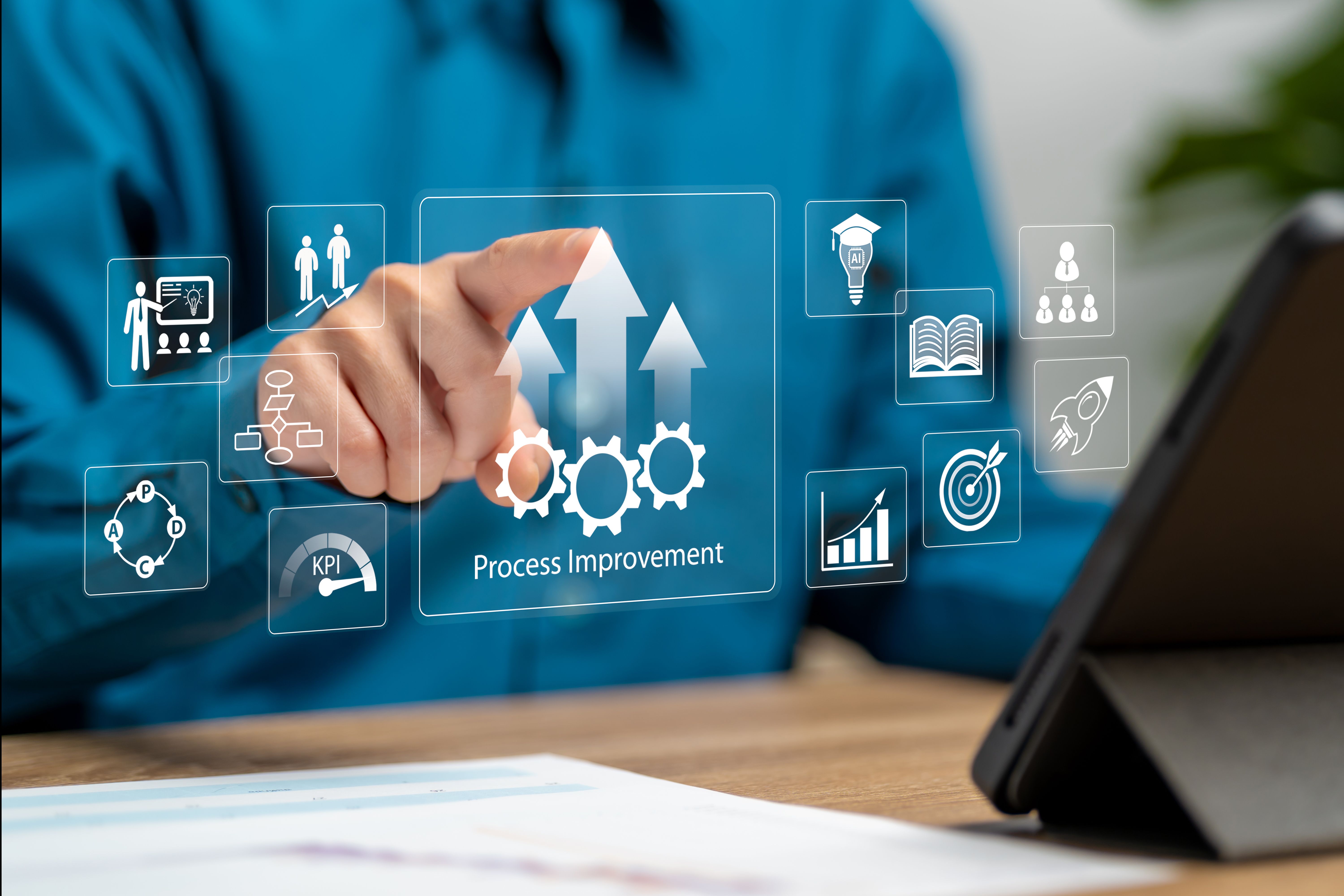
Identify Areas for Improvement
The first step in process improvement is identifying the areas where changes will have the most significant impact. Start by analyzing current processes and looking for bottlenecks or inefficiencies. Engage with employees at all levels to gather insights into daily operations.
Consider using tools like flowcharts or process mapping to visualize workflows. This can help in pinpointing where delays or errors typically occur. Once you have a clear picture, prioritize areas that align with your business goals.
Set Clear Objectives
After identifying the areas for improvement, it's crucial to set clear, measurable objectives. These goals should be specific, achievable, and aligned with the overall business strategy. For instance, you may aim to reduce the time spent on order processing by 20% within three months.
Setting objectives provides a roadmap for your team and ensures everyone is working towards the same outcomes. Regularly review these goals to track progress and make adjustments as needed.

Implementing Changes
Once objectives are set, it's time to implement changes. Start with small, manageable adjustments that can be tested and refined. This could involve updating software, reorganizing teams, or redefining roles and responsibilities.
It's essential to communicate changes clearly to all employees and provide necessary training. This ensures that everyone is prepared and equipped to adapt to new processes.
Continuous Monitoring and Feedback
Process improvement is not a one-time task but an ongoing cycle. Continuously monitor the effectiveness of new processes and gather feedback from employees and customers. This data is invaluable for making informed decisions and further refinements.

Use performance metrics to evaluate the success of implemented changes. Regularly review these metrics with your team to ensure that the improvements are delivering the desired results.
Leverage Technology
Technology can play a significant role in process improvement. Small businesses can benefit from various tools and software designed to enhance efficiency. Consider automation for repetitive tasks, which can free up valuable time for your team to focus on more critical activities.
Cloud-based solutions can also provide flexibility and scalability, allowing businesses to adapt quickly as they grow. Investing in technology can yield long-term benefits and keep your business competitive.

Encourage a Culture of Improvement
Finally, fostering a culture of continuous improvement within your organization is crucial. Encourage employees at all levels to contribute ideas and suggestions for process enhancement. Recognize and reward efforts that lead to significant improvements.
By promoting a culture that values innovation and efficiency, small businesses can create a resilient and adaptable environment ready to tackle future challenges.