
Top 5 Myths About Sustainable Business Practices Debunked


Sustainable business practices have become a crucial part of modern corporate strategy, but several myths still persist. These misconceptions can deter businesses from making eco-friendly changes, even when they are viable and beneficial. Here, we debunk the top five myths about sustainable business practices.
Myth 1: Sustainability Is Too Expensive
One of the most common myths is that sustainability is a costly endeavor. Many companies believe that implementing green technologies and practices will lead to soaring expenses. However, this is not always the case. While initial investments might be required, sustainable practices often lead to long-term savings. For example, energy-efficient lighting and equipment can significantly reduce utility bills over time.

Moreover, sustainability can open up new revenue streams. Companies that prioritize eco-friendly products can tap into a growing market of environmentally-conscious consumers willing to pay a premium for green products.
Myth 2: Sustainable Practices Are Only for Large Corporations
Another misconception is that only large corporations can afford to implement sustainable practices. In reality, small and medium-sized enterprises (SMEs) can also benefit from sustainability. Simple changes, such as reducing waste or optimizing supply chains, can have a substantial impact. These practices not only improve efficiency but also enhance the brand’s reputation.
The Role of Technology
Technology plays a crucial role in enabling SMEs to adopt sustainable practices. With affordable tools and software, even small businesses can track their carbon footprint and resource usage, making eco-friendly changes more accessible.

Myth 3: Sustainability Sacrifices Quality
Some believe that eco-friendly products and services compromise quality. This myth stems from early green products that may have failed to meet consumer expectations. However, advancements in technology and materials have led to eco-friendly products that often surpass traditional options in quality, durability, and performance.
Companies that prioritize sustainability are continually innovating, ensuring that their products are both green and of high quality. This innovation not only satisfies consumer demands but also sets new standards in various industries.
Myth 4: Consumers Don't Care About Sustainability
It's a misconception that consumers are indifferent to sustainability. In fact, research shows a growing trend towards eco-conscious purchasing decisions. A significant number of consumers prefer brands that are transparent about their sustainability efforts and are willing to switch brands if they believe another product is more environmentally friendly.

This shift is particularly evident among younger generations, who are more informed and passionate about environmental issues. Companies ignoring this trend risk losing market share to competitors who actively promote their sustainable initiatives.
Myth 5: Sustainability Is Just a Passing Trend
Some skeptics argue that sustainability is merely a fad that will fade over time. However, the evidence suggests otherwise. With increasing awareness of climate change and environmental degradation, sustainability has become a permanent fixture in the business world.
Regulations and Standards
Governments and international organizations are implementing stricter regulations and standards to promote sustainability. Businesses that fail to comply may face penalties, making sustainability not just a choice but a necessity for long-term viability.
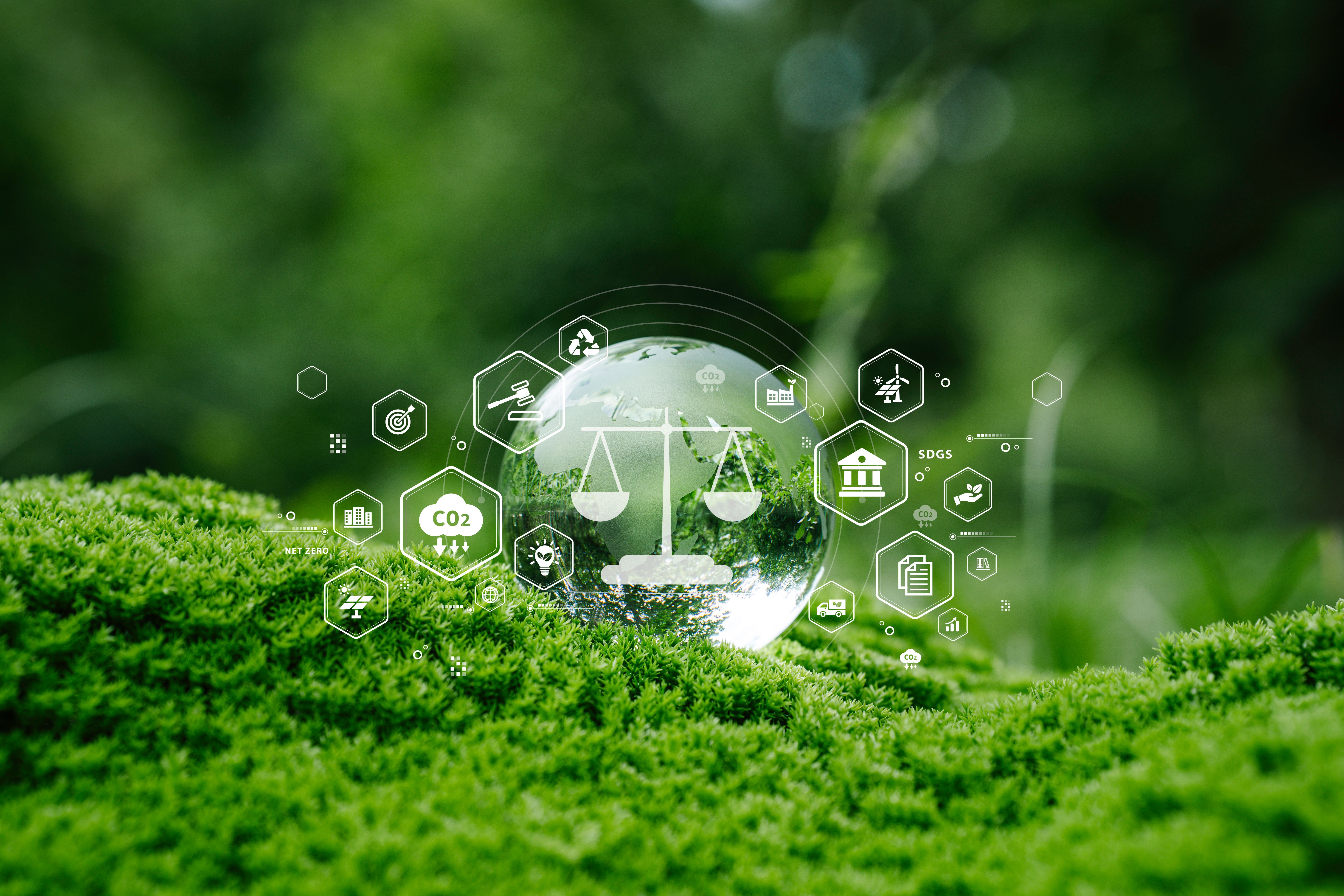
By debunking these myths, it's clear that sustainable business practices are not only feasible but essential for success in today’s competitive landscape. Embracing sustainability can lead to cost savings, increased consumer loyalty, and a positive impact on the planet.